Barebells vs Quest Protein Bars: Taste, Texture & Nutrition Compared for 2025
By Barebellstore | Published: 2026-06-14
Category: Product Reviews
Detailed showdown between Barebells and Quest protein bars: compare taste, texture, macros, and ingredients to find the best bar for your fitness goals in 2025.
Choosing the right protein bar can feel like a quest in itself. With dozens of brands vying for your attention, two names consistently rise to the top: Barebells and Quest. Both promise high protein, low sugar, and great taste, but they take very different paths to get there. In this detailed comparison, we’ll break down every bite—from flavor and mouthfeel to ingredient quality and nutritional value—so you can decide which bar deserves a spot in your gym bag or desk drawer in 2025.
Why This Comparison Matters
Protein bars are no longer just for bodybuilders. They’ve become a staple for busy professionals, travelers, and anyone looking for a convenient, macro-friendly snack. But not all bars are created equal. Some prioritize texture and taste, while others focus on clean ingredients or ultra-low carbs. Barebells and Quest represent two distinct philosophies: one leans into indulgence, the other into strict macros. Understanding the trade-offs is key to picking the best protein bar for your lifestyle.
Head-to-Head: Taste and Texture
Barebells: The Indulgent Experience
If you’ve ever unwrapped a Barebells bar, you know the hype is real. The Barebells Protein Bar - Chocolate Dough is a prime example: soft, chewy, and coated in a thick layer of milk chocolate that melts on your tongue. It tastes more like a candy bar than a fitness snack. The texture is remarkably moist—almost like fresh-baked cookie dough—with no chalky aftertaste. Barebells uses a blend of milk protein and soy protein to achieve that creamy mouthfeel. Flavors like Salty Peanut and Caramel Choco are consistently praised for their dessert-like richness.
Quest: The Chewy Classic
Quest bars have been a staple for years, known for their dense, chewy texture and clean ingredient list. A typical Quest bar is firmer and requires a bit more chewing, which some people love for the satiety factor. The flavor profile is less sweet than Barebells and leans toward artificial but still satisfying. Quest uses a mix of whey protein isolate and milk protein isolate, and they rely heavily on soluble corn fiber for fiber content. While the texture has improved over the years, many users still find them slightly dry compared to the ultra-soft Barebells.
Verdict on Taste
For pure indulgence, Barebells wins hands down. If you want a protein bar that feels like a treat, Barebells is the choice. If you prefer a classic bar with a firmer chew and cleaner aftertaste, Quest may be more your speed. But for most people, the sheer pleasure of eating a Barebells bar—especially flavors like Minty Chocolate or Creamy Crisp—makes it hard to go back.
Nutritional Breakdown: Macros and Ingredients
| Per 55-60g Bar | Barebells (e.g., Chocolate Dough) | Quest (e.g., Chocolate Chip Cookie Dough) |
|---|---|---|
| Calories | 200 | 190-210 |
| Protein | 20g | 21g |
| Carbs | 22g | 23g |
| Fiber | <1g | 14g |
| Sugar | <2g | <2g |
| Fat | 9g | 8g |
The biggest difference is fiber: Quest packs a massive 14g of fiber per bar thanks to soluble corn fiber and chicory root. This is great for digestion and satiety, but can cause bloating for some. Barebells is much lower in fiber, focusing instead on a more natural, treat-like profile. Both are low sugar (under 2g) and use sugar alcohols like erythritol and maltitol. Barebells uses milk protein concentrate and soy protein, while Quest uses whey protein isolate and milk protein isolate. If you're sensitive to soy, Quest may be the better choice.
Ingredient Quality and Processing
Barebells Ingredients
Barebells keeps their ingredient list relatively short. Take the Barebells Protein Bar - Salty Peanut: milk protein, soy protein, milk chocolate (sugar, cocoa butter, milk powder, cocoa mass, emulsifier, vanilla extract), peanuts, humectant (glycerol), peanut butter, cocoa butter, coconut oil, salt, flavorings, and sweeteners (maltitol, sucralose). It’s clean but includes maltitol, which can cause digestive upset in some people. Still, for a bar that tastes like a candy bar, the ingredients are impressive.
Quest Ingredients
Quest is famous for its “no sugar added” approach. Their bars rely on allulose, erythritol, and stevia for sweetness, plus soluble corn fiber for bulk. The ingredient list is longer due to the fiber blend, but it’s free of maltitol and artificial dyes. For low-carb and keto dieters, Quest’s net carb count (carbs minus fiber) is often just 4-5g, making it a better fit for strict macro tracking.
Price and Value
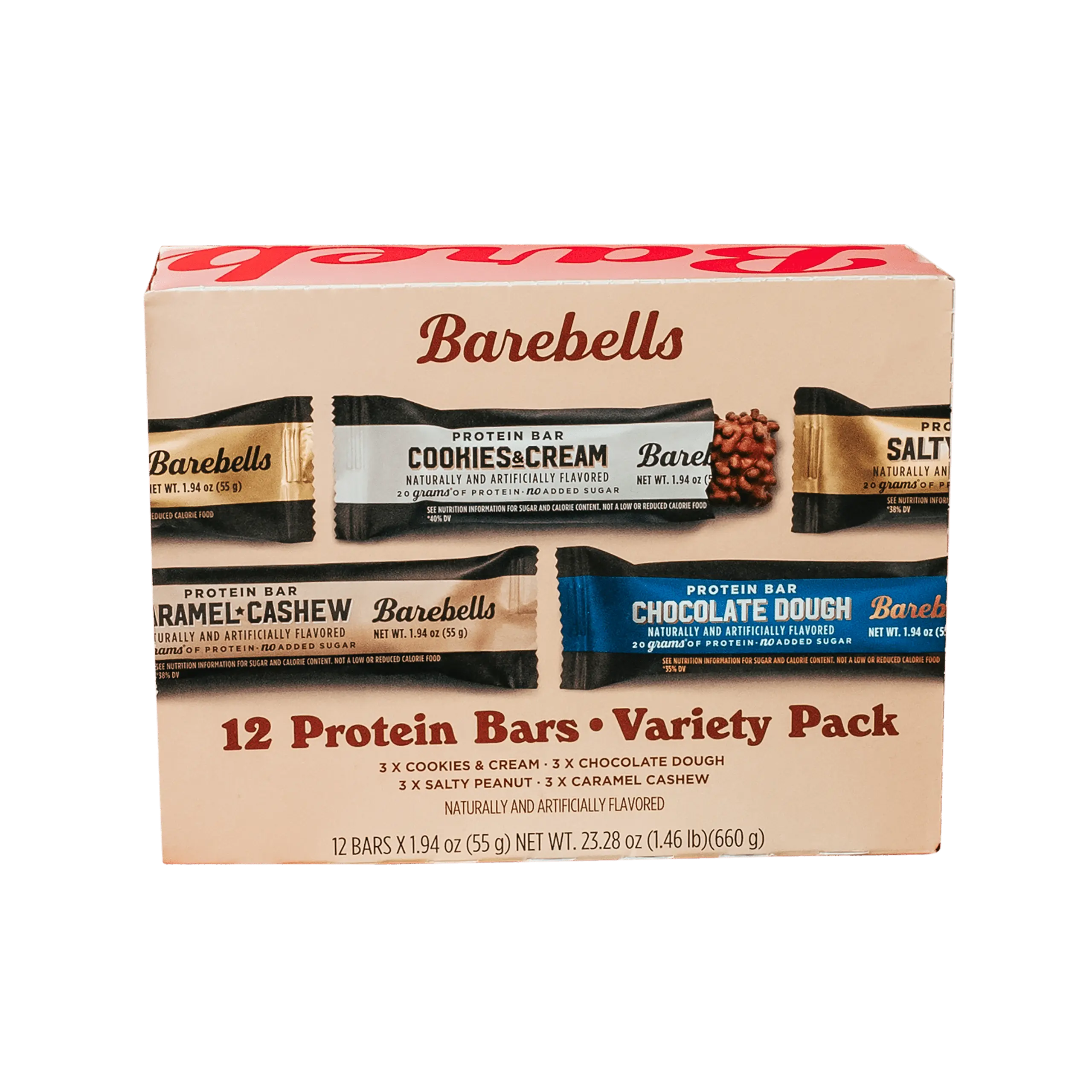
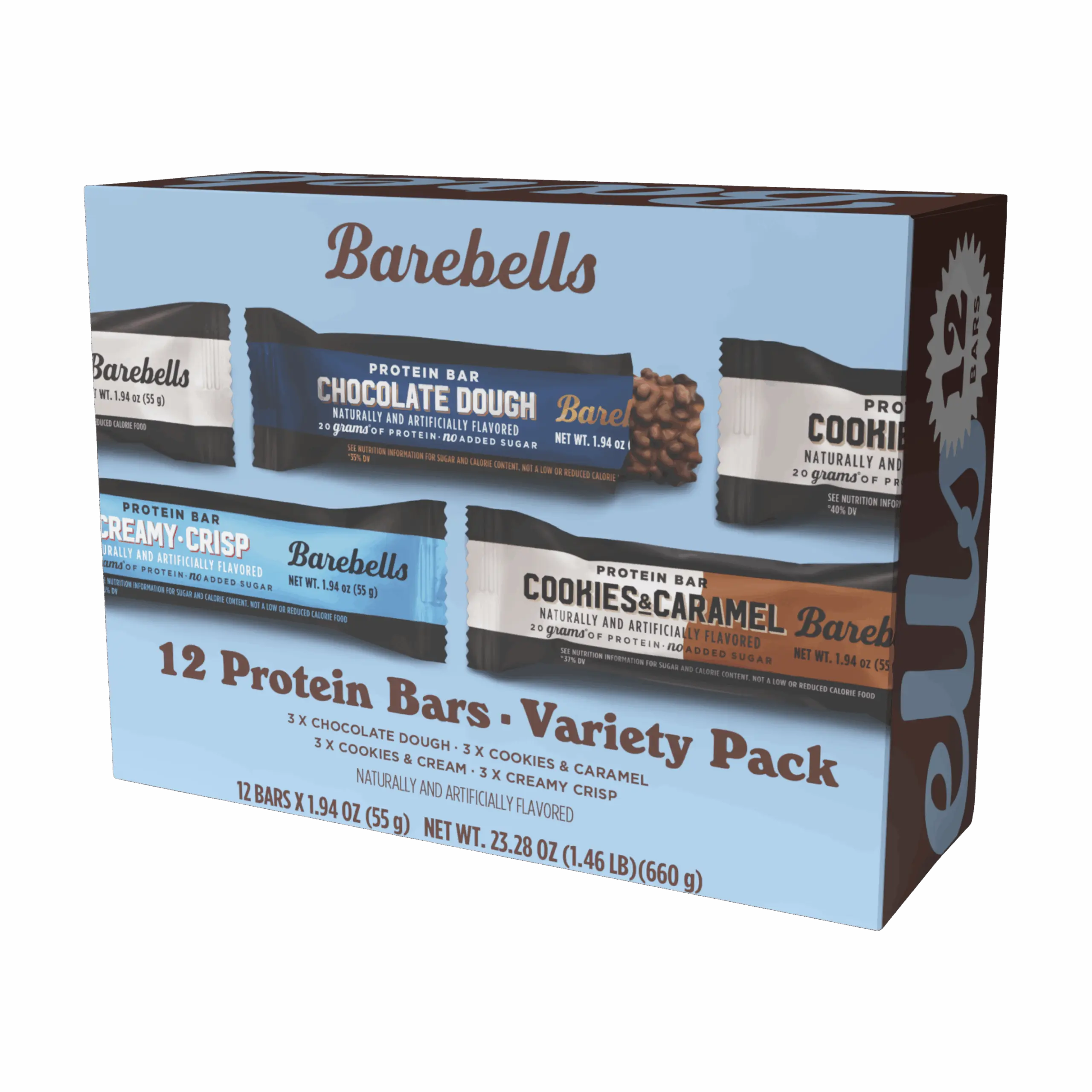
Both brands sit in the premium pricing tier, typically ranging from $2.50 to $3.50 per bar if bought individually. Buying in bulk or variety packs brings costs down. Barebells offers a Barebells Variety Pack, which lets you sample multiple flavors before committing to a full box. Quest also has variety packs, but Barebells’ pack often includes their most popular flavors, making it a great entry point. Over time, Quest might edge out slightly on cost per gram of protein, but the difference is minimal—especially when you factor in the superior taste of Barebells.
Who Should Choose Barebells?
- You prioritize taste over macros: If a bar needs to be delicious, Barebells is your pick.
- You dislike chalky or dry textures: Barebells’ soft, moist consistency is unmatched.
- You want variety: With flavors like Marshmallow Peanut Road and Creamy Crisp, there’s always something new to try.
- You’re not on a strict low-carb/keto diet: Barebells has more carbs and less fiber, which fits a balanced diet better.
Who Should Choose Quest?
- You’re on keto or low-carb: Quest’s 4-5g net carbs per bar is ideal.
- You need high fiber: 14g of fiber helps with fullness and digestion.
- You avoid soy protein: Quest uses only whey and milk isolates.
- You prefer a firmer chew: Some people love the dense, satisfying texture of a Quest bar.
Final Verdict: The Best Protein Bar for 2025
After tasting multiple flavors from both brands, it’s clear that Barebells and Quest cater to different preferences. If we had to crown a winner for overall satisfaction—considering taste, texture, and nutritional balance—Barebells comes out slightly ahead for the majority of users. The flavor innovation and texture are simply industry-leading. That said, Quest remains a top choice for strict keto dieters and anyone who prioritizes fiber and low net carbs.
In the end, the best protein bar is the one you actually look forward to eating. For many, that’s a Barebells bar. The combination of indulgence and nutrition is hard to beat. If you’re ready to taste the difference for yourself, start with the Barebells Protein Bar - Chocolate Dough—it’s the benchmark for what a protein bar should be. Explore the full range and find your new favorite snack today.