The Environmental Impact of Protein Bars: Packaging, Ingredients, and Sustainability
By Barebellstore | Published: 2026-05-31
Category: Industry News
Explore the environmental impact of protein bars, from packaging waste to ingredient sourcing. Learn how to choose sustainable, eco-friendly snacks without compromising taste or nutrition.
As the fitness and snack industries continue to grow, so does the conversation around sustainability. Protein bars, once a niche product for bodybuilders, have become a mainstream staple for busy professionals, athletes, and health-conscious consumers. But with billions of bars consumed annually, what is their true environmental footprint? From the plastic wrappers that end up in landfills to the carbon emissions of ingredient production, the environmental impact of protein bars is a complex issue. This article dives deep into the sustainability of protein bars, focusing on packaging, ingredients, and what you can do to make more eco-friendly choices—without giving up your favorite snacks.
The Packaging Problem: Wrapping Up the Waste
One of the most visible environmental issues with protein bars is their packaging. Most protein bars come in individually wrapped plastic or foil pouches, often made from multi-layer laminates that are difficult to recycle. These materials are chosen for their excellent barrier properties—keeping the bar fresh, preventing moisture, and extending shelf life. However, this convenience comes at a cost.
Why Protein Bar Wrappers Are Hard to Recycle
The typical protein bar wrapper is a composite of plastic, aluminum, and sometimes paper. These layers are fused together, making them non-recyclable in most municipal facilities. According to the Environmental Protection Agency (EPA), only about 5% of plastic film is recycled in the United States. The rest ends up in landfills, incinerators, or as litter. A study by the Journal of Cleaner Production found that single-serve snack wrappers, including protein bar packaging, contribute significantly to plastic pollution, especially in marine environments.
Some brands are taking steps to address this. For example, Barebells Protein Bar - Salty Peanut uses a flexible film wrapper that, while not yet widely recyclable, represents a lighter-weight alternative than rigid plastics. However, the industry still lacks a widespread, cost-effective recycling solution for these multi-layer materials.
Innovations in Eco-Friendly Wrappers
Fortunately, innovation is underway. Several companies are experimenting with compostable films made from plant-based materials like corn starch or cellulose. Others are designing mono-material wrappers (using only one type of plastic) that are easier to recycle. While these solutions are not yet standard, consumer demand for sustainable protein bars is pushing the market forward. When shopping, look for brands that use recyclable or certified compostable packaging, or consider buying in bulk to reduce per-bar waste.
Ingredient Sourcing: The Hidden Carbon Footprint
Beyond the wrapper, the ingredients inside a protein bar also carry an environmental weight. Protein bars typically contain protein isolates (whey, soy, or pea), sweeteners, fats, and flavorings—each with its own supply chain and carbon footprint.
Dairy vs. Plant-Based Protein
Whey protein, a byproduct of cheese production, is a common ingredient. While it uses a waste stream from dairy, the dairy industry itself is a major contributor to greenhouse gas emissions, water use, and land degradation. A 2021 study in the journal Science found that dairy milk produces around three times more greenhouse gas emissions per liter than plant-based alternatives. For protein bars, this means that a bar containing whey may have a higher carbon footprint than one made with pea or soy protein.
Plant-based protein bars, such as the Vegan Protein Bar – Fudge Brownie, offer a more sustainable alternative. Pea protein, in particular, has a lower environmental impact: it requires less water and fertilizer than soy or dairy, and it often uses regenerative farming practices. However, it's worth noting that not all plant-based proteins are equal—some may source ingredients from deforested areas or use excessive processing energy.
Sustainable Sweeteners and Fats
Sweeteners like palm oil and coconut oil are common in protein bars. Palm oil production is a leading driver of deforestation in Southeast Asia and South America. To make more sustainable choices, look for bars that use certified sustainable palm oil (RSPO) or alternative fats like cocoa butter or sunflower oil. Similarly, natural sweeteners like stevia or monk fruit have a lower environmental footprint than sugar, which requires large amounts of water and land.
The Carbon Footprint of Production and Transport
Manufacturing a protein bar involves mixing, baking (or cold-forming), cutting, and packaging—each step consuming energy. Most factories still rely on fossil fuels for heat and electricity. Additionally, the global supply chain for ingredients (e.g., cocoa from West Africa, vanilla from Madagascar, almonds from California) adds significant transport emissions. A study by Carbon Trust estimated that a typical 60g protein bar has a carbon footprint of about 0.3–0.5 kg CO2e, equivalent to driving about one mile in a car. While that may seem small, multiplied by the billions of bars sold annually, the impact is substantial.
Some brands are investing in carbon offset programs or renewable energy for their facilities. For example, Barebells' parent company has committed to reducing its carbon footprint by 30% by 2030, though specific details per product are not always disclosed. As a consumer, you can reduce transport emissions by choosing brands that source locally or regionally.
How to Choose Sustainable Protein Bars
Making eco-friendly choices doesn't mean sacrificing taste or nutrition. Here are practical tips for selecting sustainable protein bars:
- Check the packaging: Look for bars with recyclable or compostable wrappers. Some brands use paper-based packaging or offer bulk options.
- Prioritize plant-based protein: Pea, hemp, or brown rice protein typically have a lower environmental impact than whey or casein.
- Avoid palm oil or choose RSPO-certified: Palm oil is common; opt for bars using sunflower, cocoa butter, or coconut oil instead.
- Look for minimal ingredients: Bars with fewer, whole-food ingredients often have a simpler supply chain and less processing.
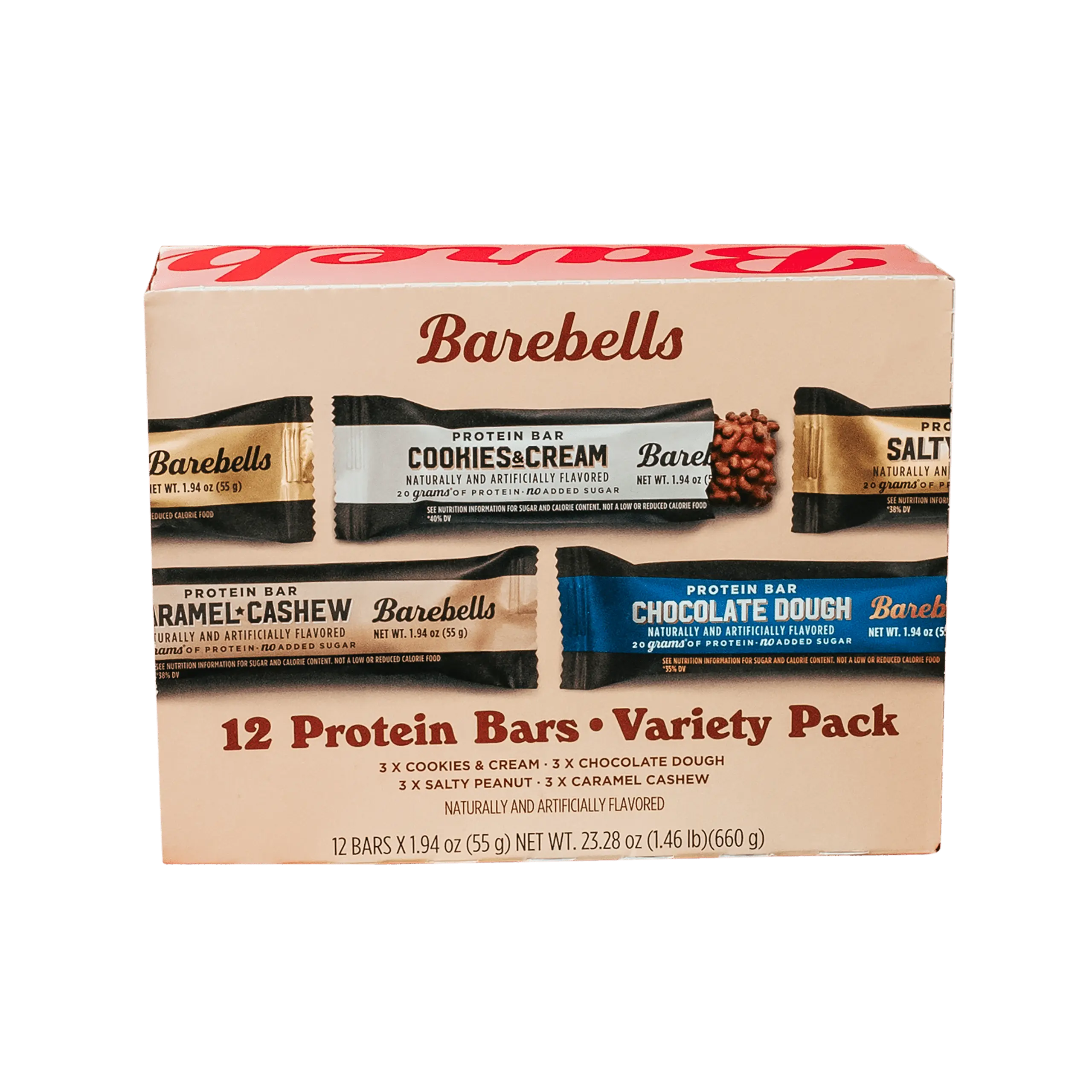
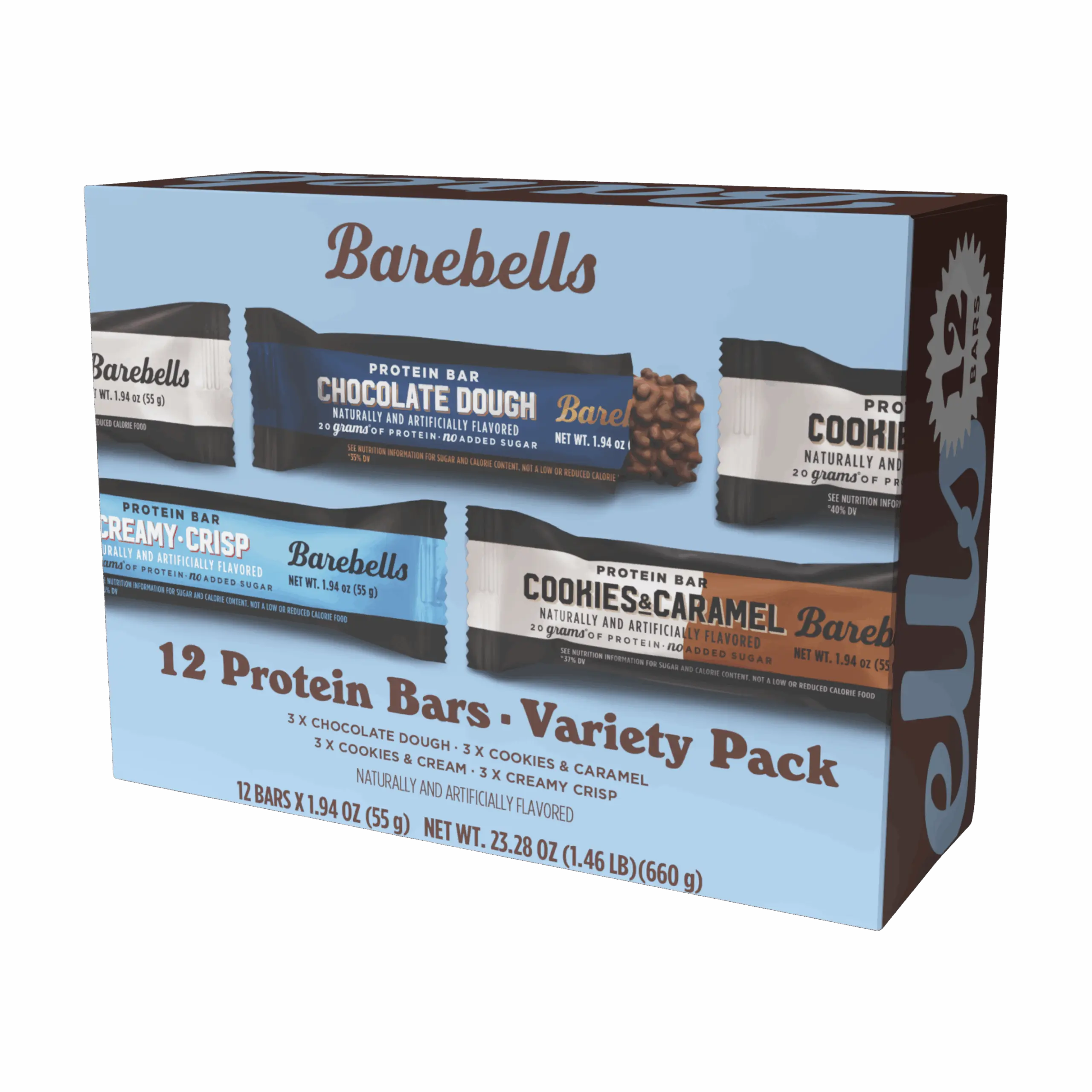
- Buy in variety packs: Purchasing a Barebells People's Choice Pack reduces per-bar packaging waste compared to buying singles.
The Role of Certifications and Transparency
To help consumers navigate the sustainability landscape, several certifications exist:
| Certification | What It Means | What to Look For |
|---|---|---|
| Rainforest Alliance | Ingredients sourced from farms that protect forests and support workers | Cocoa, coffee, or vanilla in the bar |
| RSPO (Roundtable on Sustainable Palm Oil) | Palm oil produced without deforestation or exploitation | Palm oil in the ingredient list |
| Non-GMO Project Verified | Ingredients are not genetically modified | General sustainability indicator |
| Carbon Neutral Certified | Brand offsets all its carbon emissions | Entire product line |
While not all sustainable protein bars carry these certifications, they are a good starting point for evaluating a brand's commitment. Transparency is key—brands that openly share their sourcing and manufacturing practices are often more trustworthy.
Balancing Taste, Nutrition, and Planet
Ultimately, the most sustainable protein bar is the one you actually eat—because food waste is the single largest contributor to environmental harm. A bar that sits uneaten in your pantry has a much higher impact per gram of nutrition than one you consume. So, while choosing eco-friendly packaging and plant-based ingredients is important, don't forget to enjoy your snack. Many brands, including Barebells, offer delicious options that align with both your taste buds and your values.
For example, the Barebells Protein Bar - Birthday Cake is a crowd-pleaser that uses whey protein but also features packaging that is lighter than many competitors. If you prefer a plant-based option, the Vegan Protein Bar – Fudge Brownie delivers rich flavor with a lower environmental footprint. Balancing these choices can help you reduce your impact without feeling deprived.
Conclusion: Small Changes, Big Impact
The environmental impact of protein bars is real, but it's not insurmountable. By being mindful of packaging, choosing plant-based or sustainably sourced ingredients, and supporting brands that prioritize transparency, you can enjoy your favorite eco-friendly snacks while contributing to a healthier planet. Remember, every wrapper recycled (or avoided) and every ingredient sourced responsibly adds up.
Ready to make a more sustainable choice? Explore the Barebells People's Choice Pack—a variety pack that reduces packaging waste and lets you sample multiple flavors, so you can find your perfect match without compromising on taste or the environment.