The Environmental Impact of Protein Snacks: Packaging and Sustainability Trends in 2025
By Barebellstore | Published: 2026-06-13
Category: Industry News
Explore the environmental impact of protein snacks in 2025, from eco-friendly packaging innovations to sustainable sourcing. Learn how Barebells is leading the green snacking trend.
As the world becomes increasingly eco-conscious, the protein snack industry is undergoing a significant transformation. In 2025, sustainability is no longer a niche concern—it's a core expectation for consumers. From protein bars to protein sodas, the environmental footprint of our favorite high-protein treats is under scrutiny. This article dives deep into the packaging and sustainability trends shaping the industry, with a special focus on how brands like Barebells are responding to the demand for more responsible snacking.
The Growing Demand for Sustainable Protein Snacks
Consumer awareness around climate change, plastic pollution, and resource depletion has reached an all-time high. A 2024 survey by the International Food Information Council found that 67% of consumers consider sustainability when purchasing packaged foods. For protein snacks—often packaged in multi-layer plastics or aluminum—this presents both a challenge and an opportunity. The term "sustainable protein snacks" has become a key search term, reflecting a shift in buyer priorities. Shoppers want products that not only fuel their bodies but also protect the planet.
Why Protein Snack Packaging Matters
Protein bars, drinks, and sodas typically come in packaging designed for freshness and portability. However, many common materials—like flexible plastic wrappers and aluminum cans—are difficult to recycle. Traditional protein bar wrappers, for instance, often combine multiple layers of plastic and foil, making them non-recyclable in standard curbside systems. This has led to a growing push for eco-friendly packaging solutions that maintain product integrity while reducing environmental harm.
Innovations in Eco-Friendly Packaging for Protein Bars
In 2025, several innovative packaging solutions are gaining traction. These include:
- Monomaterial wrappers: Single-material plastics (like PE or PP) that are fully recyclable, replacing multi-layer laminates.
- Compostable films: Plant-based materials that break down in industrial composting facilities, ideal for bars with shorter shelf lives.
- Recycled and recyclable boxes: Many brands now use cardboard boxes made from 100% post-consumer recycled fiber for variety packs.
- Lightweighting: Reducing the amount of material used per wrapper to lower the carbon footprint of transportation.
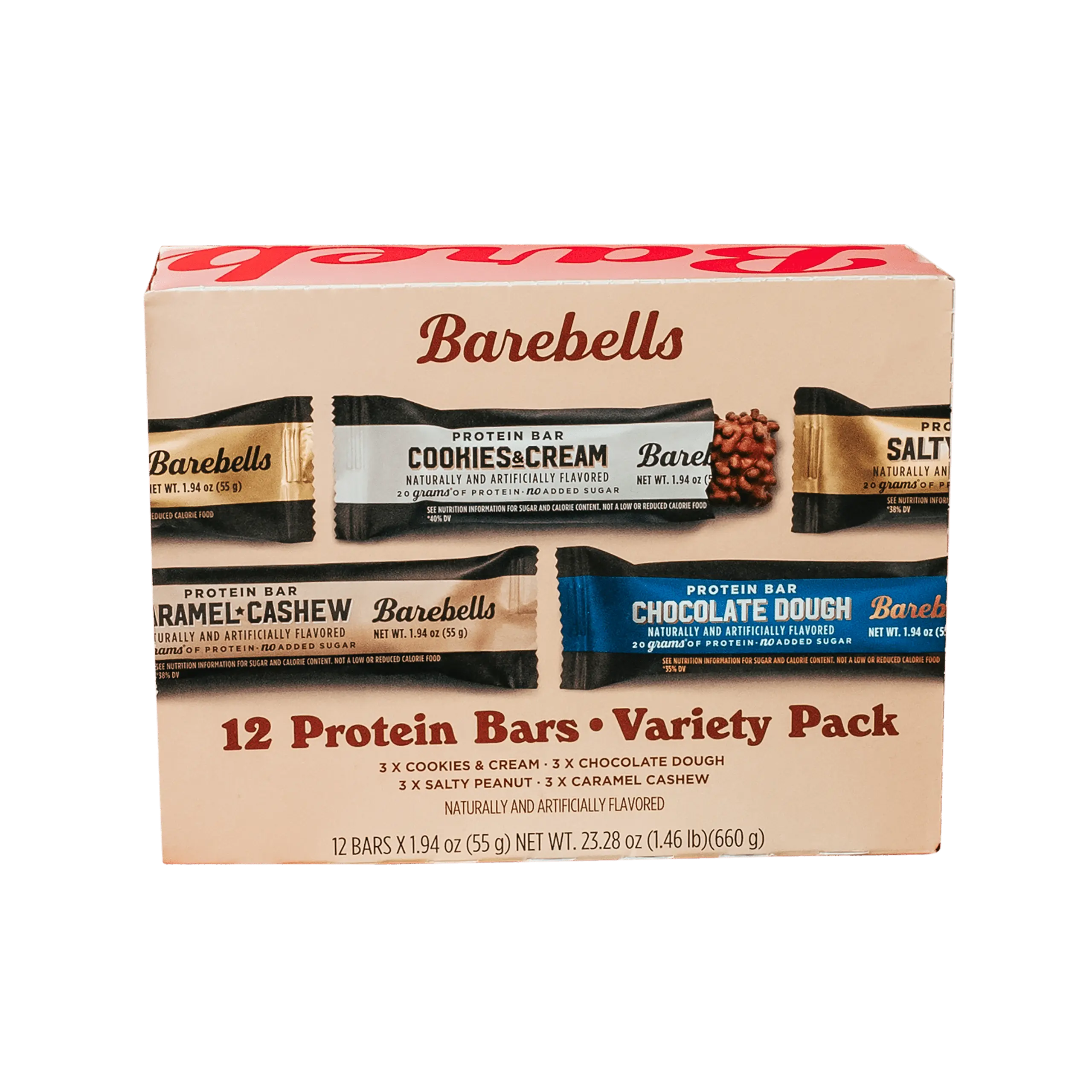
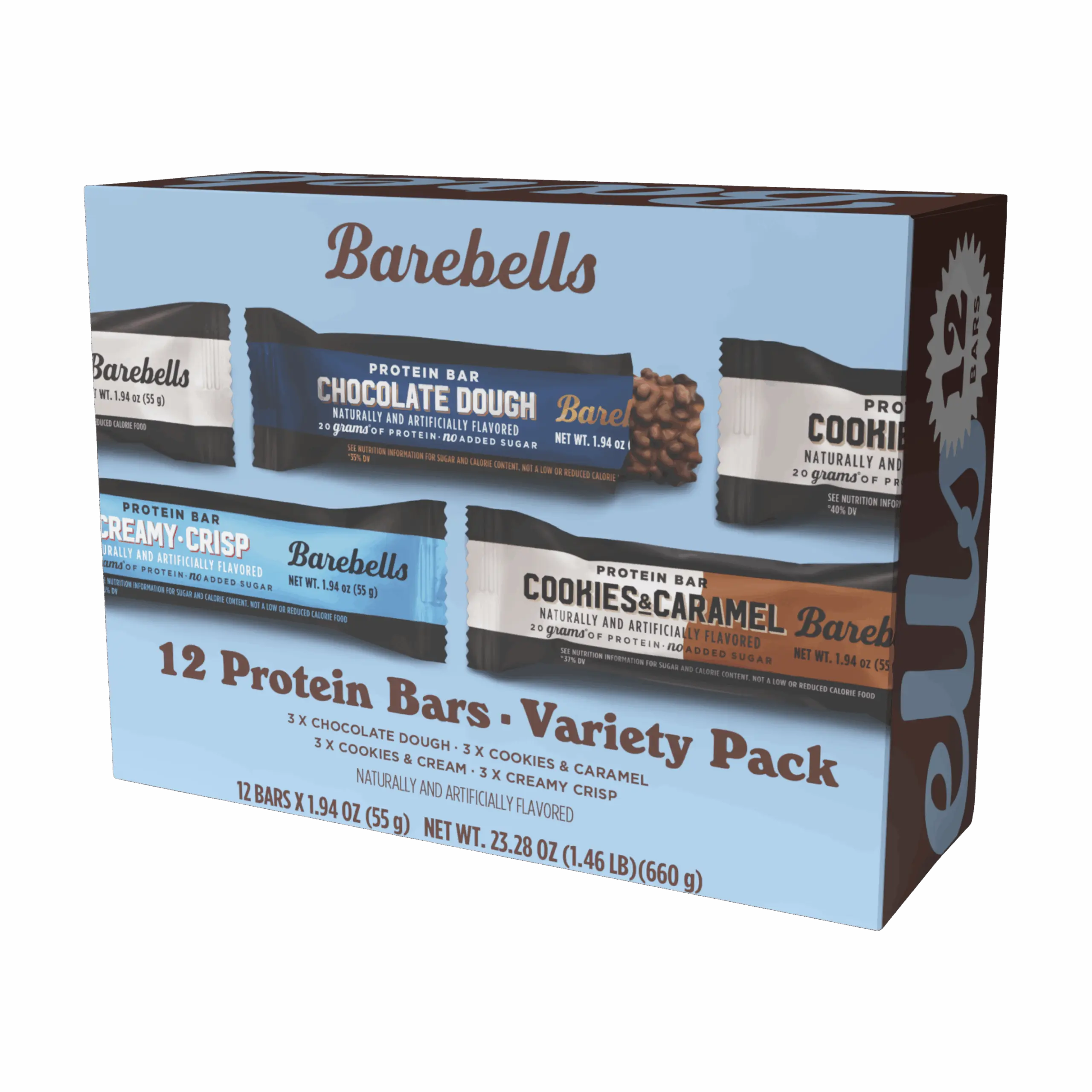
A great example is the Barebells Protein Bar - Chocolate Dough, which comes in a wrapper that is increasingly being optimized for recyclability. While the brand hasn't switched entirely to compostable materials yet, its parent company has committed to making all packaging recyclable or reusable by 2027. This aligns with the broader protein bar sustainability movement that prioritizes circular economy principles.
The Carbon Footprint of Protein Ingredients
Beyond packaging, the environmental impact of protein snacks depends heavily on the sourcing of ingredients. Whey protein, derived from dairy, has a higher carbon footprint than plant-based proteins like pea or soy. For example, producing 1 kg of whey protein emits approximately 10-12 kg of CO2 equivalent, compared to 2-4 kg for pea protein. This has fueled the rise of vegan protein bars, which appeal to eco-conscious consumers looking to reduce their dietary carbon footprint.
Plant-Based and Vegan Options Gaining Ground
Brands are expanding their plant-based portfolios to meet this demand. The Vegan Protein Bar - Caramel Choco Chip is a prime example of a product that combines great taste with a lower environmental impact. By using pea protein and other plant-based ingredients, it offers a sustainable alternative without sacrificing flavor or texture. For athletes and casual snackers alike, choosing vegan options can significantly reduce the ecological footprint of their protein intake.
Protein Soda and Sustainable Beverage Packaging
The protein soda category has exploded in popularity, but its packaging—typically aluminum cans—has a mixed environmental record. Aluminum is infinitely recyclable, but producing new cans requires energy-intensive bauxite mining. The key is to use recycled aluminum, which requires 95% less energy than virgin production. Brands like Barebells have responded by sourcing cans with high recycled content. The Barebells Protein Soda Sweet Cherry comes in a sleek can that is widely recyclable, making it a smart choice for consumers who want a bubbly, protein-packed drink without the waste associated with plastic bottles.
Green Snacking Trends to Watch in 2025
Several green snacking trends are defining 2025:
- Refillable and bulk options: Some specialty stores now offer protein bars in bulk bins, allowing customers to bring their own containers.
- Carbon-neutral certifications: Brands are investing in carbon offsets and seeking certifications like CarbonNeutral® to validate their claims.
- Transparent supply chains: QR codes on packaging let consumers trace ingredients from farm to factory, fostering trust and accountability.
- Minimalist packaging: Reducing unnecessary outer boxes, inner wrappers, and plastic inserts to cut waste.
- Biodegradable materials: Research into mushroom-based packaging and seaweed films is accelerating, though commercial viability remains limited.
How Barebells Is Leading the Charge
Barebells has earned a reputation for high-quality, delicious protein snacks, but the company is also making strides in sustainability. In 2024, the brand announced a partnership with a recycling technology firm to test a new wrapper that can be processed in standard recycling streams. Additionally, its variety packs are now packaged in cardboard with minimal plastic, reducing overall material use. The brand's commitment to barebells environment initiatives is evident in its gradual but steady shift toward more sustainable practices.
What Consumers Can Do
While brands play a critical role, consumers can also make a difference. Here are three actionable tips:
- Choose products with recyclable packaging—look for the chasing arrows symbol and check local guidelines.
- Opt for plant-based protein bars when possible, as they typically have a lower carbon footprint than whey-based options.
- Buy in bulk or variety packs to reduce packaging waste per serving.
The Future of Protein Snack Sustainability
Looking ahead, the industry is likely to see more regulatory pressure on single-use plastics, especially in the European Union and parts of North America. Extended producer responsibility (EPR) laws are already requiring brands to fund recycling infrastructure. This will accelerate innovation in eco-friendly packaging and encourage more brands to adopt circular design principles. By 2030, experts predict that 80% of protein snack packaging will be fully recyclable or compostable—a dramatic improvement from today's 30%.
For consumers, the message is clear: your choices matter. Every time you reach for a protein bar or soda, you are voting for the kind of world you want to live in. By supporting brands that prioritize sustainability, you help drive the market toward greener solutions.
Conclusion
The environmental impact of protein snacks is a complex issue, but the industry is making real progress. From advanced wrappers to plant-based ingredients, the trends in 2025 point toward a more sustainable future. Whether you're a fitness enthusiast or a casual snack lover, you can enjoy your protein boost with a clearer conscience by choosing products that align with eco-friendly values.
If you're ready to make a sustainable switch without compromising on taste, explore the Barebells Protein Bar - Chocolate Dough today. It's a delicious step toward greener snacking—one bar at a time.