Vegan Protein Bars vs. Traditional Protein Bars: A Comprehensive Nutritional Breakdown
By Barebellstore | Published: 2026-05-29
Category: Product Reviews
Compare vegan protein bars and traditional protein bars in a detailed nutritional breakdown. Learn about protein sources, macros, taste, and which option suits your diet best.
The protein bar aisle has never been more diverse. Whether you're a dedicated gym-goer, a busy professional, or someone exploring plant-based eating, you've likely faced the choice between vegan protein bars and their traditional, whey-based counterparts. At Barebellstore, we stock both categories because we believe every lifestyle deserves a delicious, high-protein snack. In this comprehensive nutritional breakdown, we'll dissect the key differences—from protein sources and amino acid profiles to taste, texture, and environmental impact—so you can make an informed decision that aligns with your goals.
What Defines a Traditional Protein Bar?
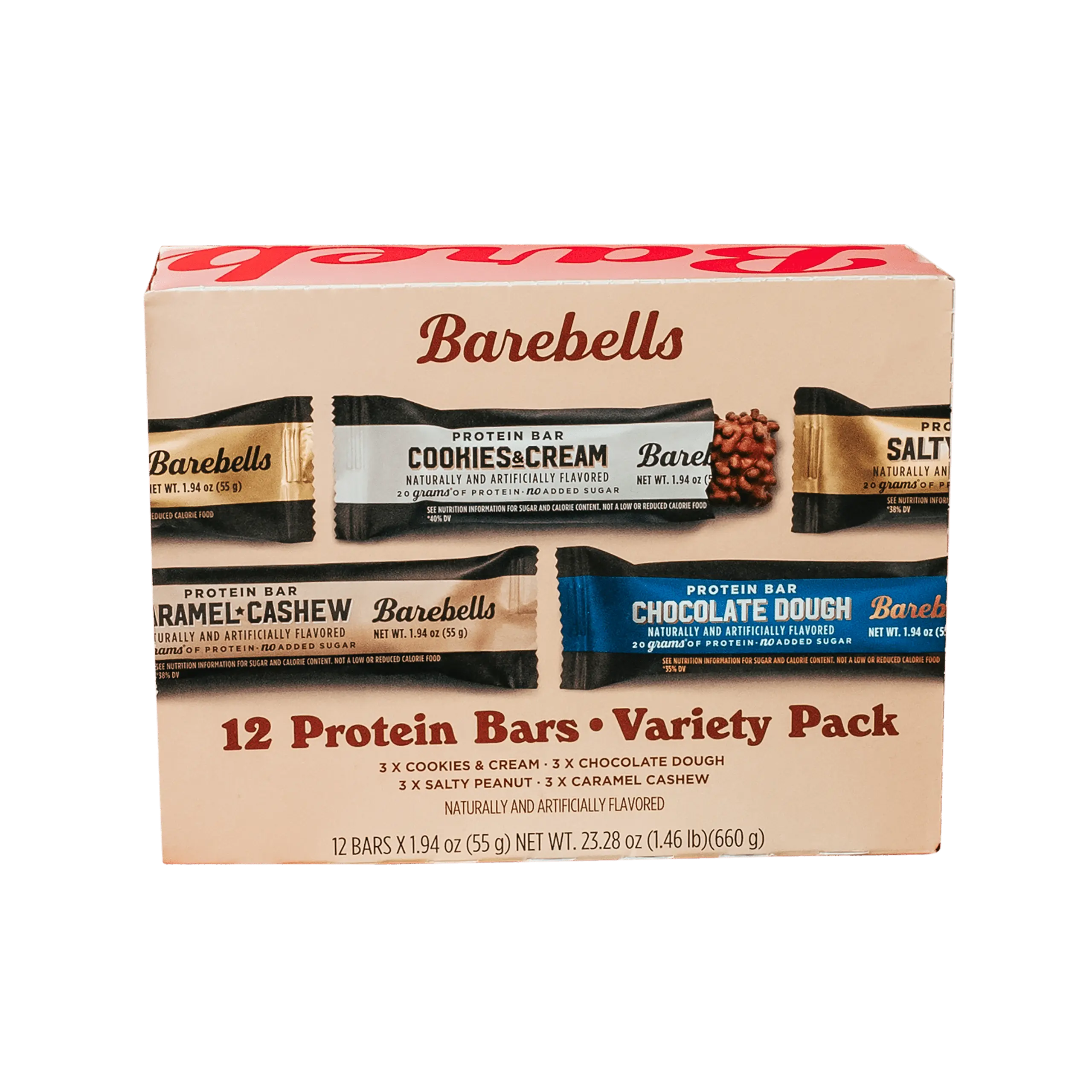
Traditional protein bars typically rely on animal-derived protein sources such as whey, casein, or egg whites. Whey protein, a byproduct of cheese production, is prized for its rapid absorption and rich amino acid profile, making it a staple in post-workout recovery. Casein, on the other hand, digests slowly, providing a steady release of amino acids. These bars often contain milk solids, honey, and gelatin, which contribute to their familiar chewy texture and creamy mouthfeel. For decades, this category has dominated the market, and brands like Barebells have perfected it with flavors such as Barebells Protein Bar - Cookies & Cream and Barebells Protein Bar - Marshmallow Peanut Road, which deliver 20 grams of protein per bar with less than 2 grams of sugar.
What Defines a Vegan Protein Bar?
Vegan protein bars exclude all animal products, relying instead on plant-based protein sources like pea protein, brown rice protein, hemp protein, or soy protein isolate. These bars are lactose-free, suitable for those with dairy sensitivities, and align with ethical and environmental values. The challenge historically has been achieving a complete amino acid profile—since many plant proteins are deficient in one or more essential amino acids. However, modern formulations blend complementary proteins (e.g., pea and rice) to create a complete profile. Barebells has embraced this trend with products like Vegan Protein Bar – Caramel Peanut and Plant Based Protein Bar - Hazelnut Nougat, which prove that plant-based can be just as indulgent and protein-packed.
Protein Source and Amino Acid Profile
The core nutritional difference lies in the protein source and its amino acid composition. Whey protein is a complete protein, meaning it contains all nine essential amino acids in ideal ratios, particularly high levels of leucine—the key trigger for muscle protein synthesis. Casein also offers a complete profile but with a slower digestion rate. In contrast, plant proteins often lack one or more essential amino acids. For example, pea protein is low in methionine, while rice protein is low in lysine. However, by combining pea and rice protein (a common practice in vegan bars), manufacturers can achieve a complete profile comparable to whey. A 2020 study in the Journal of the International Society of Sports Nutrition found that a 40-gram blend of pea and rice protein stimulated muscle protein synthesis to a similar degree as whey protein, provided the total leucine content was matched. So, for most people, a well-formulated vegan bar is nutritionally equivalent for muscle building and recovery.
Protein Content and Macro Comparison
When comparing protein bars side by side, both traditional and vegan options can deliver 15–20 grams of protein per serving. Let's examine a typical comparison:
| Nutrient (per 100g) | Traditional Bar (e.g., Barebells Cookies & Cream) | Vegan Bar (e.g., Vegan Protein Bar – Caramel Peanut) |
|---|---|---|
| Protein | 20 g | 16 g |
| Carbohydrates | 24 g | 28 g |
| Fat | 12 g | 14 g |
| Fiber | 8 g | 6 g |
| Sugar | 1.5 g | 3 g |
As the table shows, traditional bars often edge out vegan bars in protein density per calorie, but vegan bars compensate with higher fiber and healthy fats from nuts, seeds, and oils. Both are low in sugar, making them suitable for blood sugar management. The choice here depends on whether you prioritize maximum protein per gram or additional fiber and plant-based fats.
Taste and Texture: Does Vegan Mean Compromise?
Historically, vegan protein bars were criticized for their grainy texture and earthy aftertaste—often due to pea protein isolate. However, advancements in food technology have closed the gap dramatically. Barebells' vegan offerings, such as the Plant Based Protein Bar - Hazelnut Nougat, feature a soft, nougat-like interior that rivals traditional milk chocolate bars. The caramel and peanut layers in the Vegan Protein Bar – Caramel Peanut provide a satisfying chewiness without the chalkiness. Meanwhile, traditional bars like the Marshmallow Peanut Road offer a unique marshmallow swirl that's hard to replicate with plant-based ingredients. In blind taste tests, many consumers cannot distinguish between premium vegan and traditional bars—especially when coated in chocolate. The key is choosing a brand that invests in flavor development, like Barebells.
Digestibility and Allergen Considerations
Digestibility is a major factor, especially for those with lactose intolerance or dairy sensitivities. Whey and casein contain lactose, which can cause bloating, gas, or discomfort in some individuals. Vegan protein bars are naturally lactose-free and often free from common allergens like gluten and soy (though always check labels). Additionally, plant proteins are generally more alkaline-forming, which some proponents argue supports better long-term health. However, some people find that high-fiber vegan bars can cause digestive issues if they're not used to a high-fiber diet. Start with one bar per day and increase gradually.
Environmental and Ethical Impact
If sustainability is a priority, vegan protein bars have a clear advantage. Producing plant-based protein requires significantly less water, land, and energy compared to animal-derived protein. A 2018 study in Science found that pea protein production generates about 80% fewer greenhouse gas emissions than whey protein. For ethically-minded consumers, choosing a vegan bar aligns with reducing animal agriculture's environmental footprint. However, it's worth noting that some traditional protein brands are sourcing whey from grass-fed, pasture-raised cows, which can mitigate some environmental concerns. At Barebellstore, we offer both options so you can choose based on your values.
Cost and Accessibility
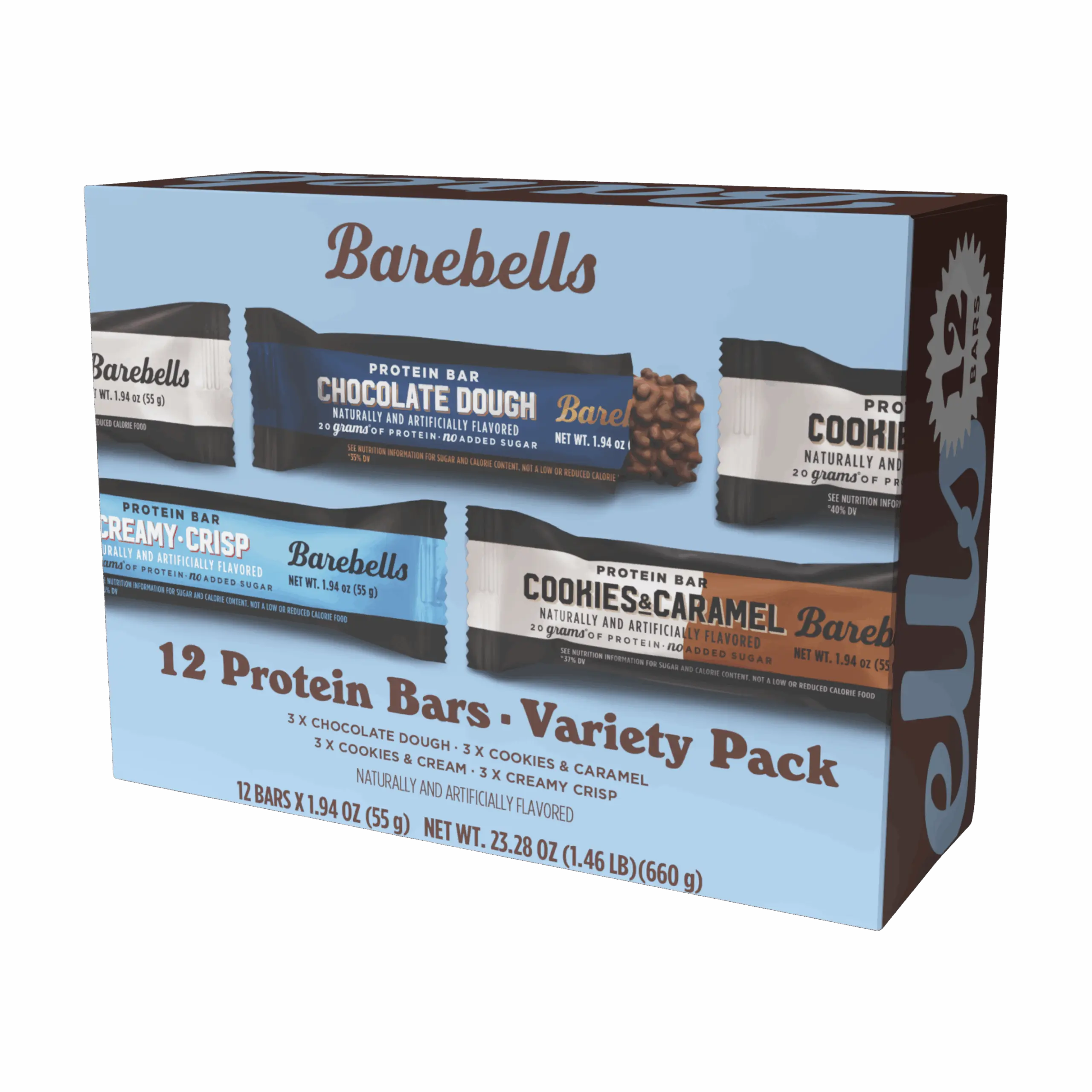
Generally, traditional whey-based protein bars are slightly more affordable due to established supply chains and lower manufacturing costs. Vegan protein bars often cost a bit more because of the specialized blending of plant proteins and the need for additional flavor masking. However, as demand grows, prices are converging. Both categories are widely available online and in stores. At Barebellstore, we offer competitive pricing on all our protein bars, and our variety packs make it easy to sample both types without committing to a whole box.
Which One Should You Choose?
Your choice between vegan and traditional protein bars ultimately depends on your dietary preferences, tolerance, and goals. Here's a quick decision guide:
- Choose traditional protein bars if: You want maximum protein per gram, prefer faster absorption for post-workout recovery, or enjoy classic flavors like cookies and cream or marshmallow.
- Choose vegan protein bars if: You follow a plant-based diet, have lactose intolerance, prioritize environmental sustainability, or want extra fiber and healthy fats.
- Mix and match: There's no rule that says you can't enjoy both. Keep a few traditional bars for tough workouts and vegan bars for everyday snacking.
Conclusion and Call to Action
Both vegan and traditional protein bars have their unique strengths, and thanks to brands like Barebells, you don't have to sacrifice taste for nutrition. Whether you're drawn to the creamy indulgence of a traditional bar or the plant-powered goodness of a vegan option, Barebellstore has the perfect snack for you. Explore our full range of protein bars, including the best-selling Barebells Protein Bar - Cookies & Cream and the innovative Vegan Protein Bar – Caramel Peanut, and find your new favorite today. Your taste buds and your muscles will thank you.